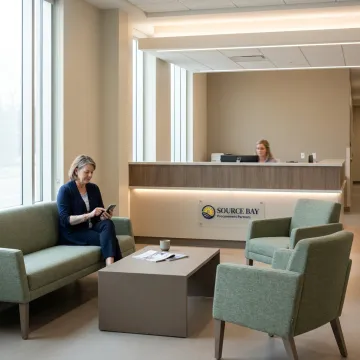
What furniture is in a hospital?
Hospital furniture typically includes patient beds and room furnishings, bedside tables, visitor seating, waiting-room chairs and tables, reception furniture, clinical workstations, staff lounge furnishings, administrative desks, storage pieces, and specialty fixtures. Each area has different performance needs. Healthcare projects commonly prioritize durability, cleanability, infection-control compatibility, appropriate fire-code performance, and layouts that support patient care and staff workflow.
What are the standard features and requirements for hospital furniture?
Hospital furniture is generally specified for frequent cleaning, heavy use, and safe operation in care settings. Key considerations include cleanable, durable materials; healthcare-appropriate upholstery and finishes; infection-control compatibility; applicable fire-code requirements; stable construction; and dimensions suited to circulation and clinical workflow. Requirements can differ by room type, facility policy, jurisdiction, and the intended use of each product, so specifications should be reviewed early.
How does healthcare FF&E procurement work?
Healthcare FF&E procurement begins by defining scope, design intent, functional requirements, budget, and schedule. Source Bay then sources products through its manufacturer network, coordinates specification decisions, manages freight and sequenced warehousing, and provides installation oversight. This four-phase approach helps consolidate furniture, textiles, wallcoverings, and fixtures under one procurement program rather than requiring separate coordination with numerous suppliers.
Can you furnish hospitals, clinics, and medical offices?
Yes. Source Bay Procurement Partners provides healthcare FF&E procurement for hospitals, medical office buildings, outpatient clinics, ambulatory surgery centers, and long-term acute care facilities. Available categories include patient-room furniture, waiting-area and lobby seating, staff and administrative furnishings, textiles, wallcoverings, and fixtures. Selections are developed around the environment’s specific operational, durability, cleanability, and design requirements.
Do you help select healthcare-grade materials?
Yes. The procurement and design team helps translate project needs into product specifications, finish palettes, textiles, wallcoverings, fixtures, and furnishings. For healthcare settings, material selection should consider frequent cleaning, durability, infection-control practices, and fire-code requirements alongside aesthetic goals. Source Bay’s design services provide space planning, product specification, mood boards, and vendor coordination to make selections procurement-ready.
How is furniture delivery coordinated with construction schedules?
Source Bay manages freight coordination and sequenced warehousing so FF&E can be delivered in step with the construction timeline. The team works to align product arrivals, storage, and final placement with site readiness, reducing unnecessary congestion and helping prevent furnishings from arriving before spaces can receive them. Installation oversight and quality-control documentation support an organized final handoff.
Is project pricing available for healthcare furniture?
Healthcare FF&E engagements use project-based pricing. The scope is evaluated according to required furniture categories, specifications, finishes, quantities, design coordination, logistics, warehousing, and installation needs. Source Bay also offers value-engineered solutions intended to align design objectives with capital budgets. Healthcare system portfolio pricing is available for eligible multi-facility programs, and a project quote can be requested through Source Bay.
Do you offer healthcare furniture procurement nationwide?
Yes. Source Bay Procurement Partners provides healthcare FF&E procurement nationwide across the United States. The team coordinates sourcing through a global manufacturer network and manages freight, warehousing, delivery sequencing, and on-site installation oversight as part of the procurement program. This centralized approach is designed to support healthcare organizations managing projects across one location or a broader facility portfolio.